A generic voice-to-text tool that mishears 15% of a sales conversation is a minor annoyance in most B2B contexts. In a surgical case log, that same 15% can include the device model number.
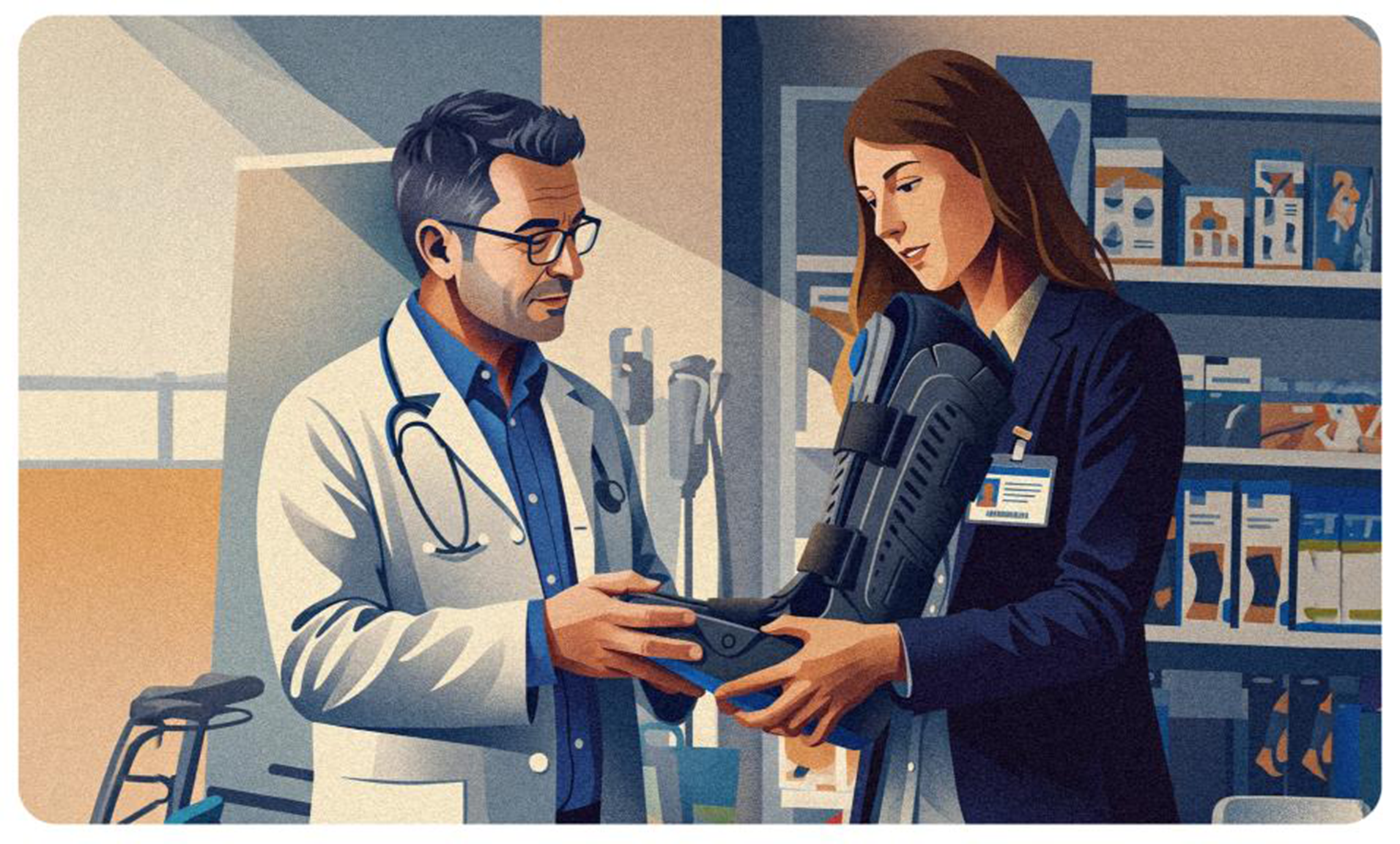
A device rep leaves an OR after supporting a complex procedure, already thinking about the two-hour drive to her next facility. Somewhere in that transition, the specific lot number of the device used, a surgeon's off-hand comment about wanting a different sizing option next time, and a note about the facility's updated credentialing requirement all have to make it into a system — accurately — before she can move on to the next case.
In most B2B sales roles, a slightly imprecise CRM note is an inconvenience. In device sales, an imprecise case note can mean a billing error, a credentialing lapse at a facility, or a gap in the record if that specific case is ever the subject of an FDA lookback review months or years later.
Medical device reps carry a documentation burden that goes beyond standard CRM pipeline notes: they're typically responsible for case-level documentation (logging exactly which device was used in a procedure), inventory and consignment tracking, and maintaining current credentialing across every facility they work in — on top of the same manual CRM entry every field rep faces. That documentation intersects directly with FDA lookback requirements, billing accuracy, and inventory reconciliation, which means an imprecise or incomplete record carries compliance and financial consequences well beyond a missed follow-up.
A device rep's job doesn't stop at pipeline management. Every meaningful interaction with a surgeon or facility can carry downstream consequences: a case that needs to be logged for billing and inventory reconciliation, a credentialing requirement that needs to stay current at a specific facility, and a conversation that may matter if there's ever a lookback review of how a product was used.
Generic sales CRM entry habits — a quick note typed days later, summarized loosely — don't hold up against that level of stakes. The gap between what device reps are documenting and what the compliance and billing functions downstream actually need is where errors, missed reconciliations, and lost commissions originate.
A conversation between a device rep and a surgeon is dense with terminology a general-purpose transcription tool wasn't trained to handle precisely: specific device model numbers, procedural terms, dosage or sizing specifications, and facility-specific protocol references. A pure-AI transcription tool that gets 85% of a sales conversation right is a reasonable trade-off in a generic B2B context. It's a much bigger problem when the 15% it gets wrong includes a device model number or a case detail that later needs to hold up under an FDA lookback review.
This is the same accuracy gap explored in When 'Close Enough' Costs You the Deal: pure-AI sales tools fail on complex inputs at a meaningfully higher rate than a human-in-the-loop verification layer, which brings structured accuracy up to 99% — a difference that matters everywhere, but matters most where the record has compliance weight.
A device rep working across a territory of ten or more facilities is effectively managing ten separate credentialing relationships, each with its own renewal timeline and requirements. When a facility mentions a credentialing update during a conversation — a new form required, a new in-service training scheduled — that detail needs to be captured as reliably as a deal-stage change, because missing it can mean losing access to a facility entirely until the paperwork catches up.
Device reps are almost never at a desk when the conversation that needs documenting happens — it's in an OR hallway, a surgeon's office between cases, or the car on the way to the next facility. Hey DAN's model is built specifically for that setting: unstructured dictation while driving or moving between facilities, with machine parsing paired with human validation to correctly handle the acronyms, jargon, and complex terminology that pure-AI tools misinterpret.
That means a rep can dictate a case debrief — including the specific device, facility, and physician details that billing and compliance teams need later — immediately after leaving a facility, rather than trying to reconstruct it from memory back at the office. The Review and Edit checklist gate gives the rep a chance to confirm accuracy on sensitive details before anything updates the CRM record.
It's worth being precise about scope: accurate voice-to-CRM capture makes the underlying case and interaction record more complete and more accurate. It is not a replacement for a device manufacturer's formal regulatory recordkeeping systems or facility-specific compliance archiving requirements, which remain the rep's and the organization's separate obligation. What it changes is whether the CRM-level record — pipeline notes, case context, facility relationship history — is actually complete enough to be useful when compliance, billing, or a manager needs to reconstruct what happened.
See the full model on the Hey DAN AI voice-to-CRM page.
Medical device reps are documenting under higher stakes than almost any other field sales role, using the same generic tools built for a much lower-stakes conversation. Closing that gap isn't about adding more compliance process — it's about making sure the record of what was actually said and done in the field is accurate enough to trust when it matters.
Case-level detail — specific device models, lot numbers, procedural context — intersects with FDA lookback requirements, billing accuracy, and inventory reconciliation, so an imprecise record can have compliance and financial consequences well beyond a missed sales follow-up.
They weren't trained on the dense clinical and procedural terminology — device model numbers, dosage specifications, protocol references — common in these conversations, which increases the odds of a mistranscribed detail landing in exactly the kind of record that later needs to hold up under scrutiny.
No — it improves the completeness and accuracy of the CRM-level interaction and case record, but it's a complement to, not a replacement for, a manufacturer's formal regulatory recordkeeping and compliance archiving systems.

Hey DAN is the market-leading Voice-to-CRM solution, trusted by more than 10,000 sales professionals and serving 50 of the 60 largest asset management firms worldwide. Founded in 2006, Hey DAN combines fast AI transcription with human verification to turn spoken conversations into accurate, structured CRM records, giving sales teams back hours every week and giving leadership the clean data modern go-to-market strategy depends on.
Follow Hey DAN


