AI clinical note tools are adding symptoms that were never mentioned and omitting ones that were—and in pharmaceutical sales, inaccurate HCP interaction records are not just a CRM problem
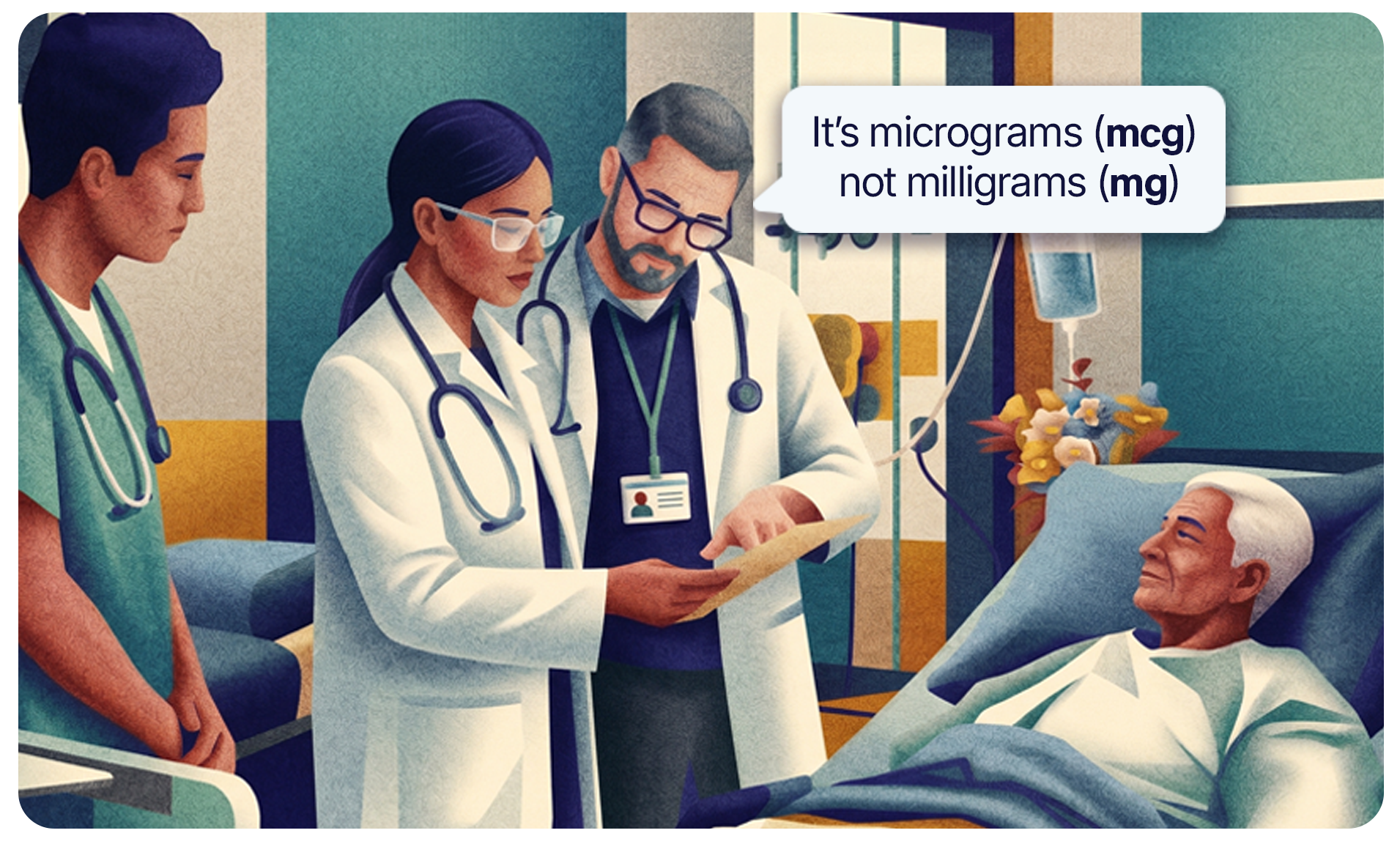
Researchers studying AI documentation tools found a case that captures the problem precisely. A patient reported chills and a nonproductive cough. The chest radiography report reflected exactly that. The AI-generated summary of the same interaction added one word: “fever.” The physician reading the AI summary—not the original note—was now looking at a different clinical picture. The path toward a pneumonia diagnosis and antibiotic prescription opened up from a presentation that did not actually include fever.
That error happened in a clinical setting. But the mechanism is identical to what happens when AI tools are applied to pharmaceutical sales call documentation. A physician says, “I’ve seen good results in patients with moderate severity.” The AI summary logs: “Physician is a strong advocate for the drug.” The rep reads the summary, treats the account as a confirmed champion, de-prioritizes follow-up, and misses the signal three months later when the same physician switches to a competitor. The AI was not lying. It was doing what AI does: generating a plausible interpretation. The problem is that plausible and accurate are not the same thing in pharmaceutical selling.
Pharmaceutical sales organizations operate in a uniquely regulated environment. Call notes are not just internal CRM records—they are documentation of field activity that can be reviewed for compliance, used in training and coaching, and in some cases relevant to regulatory inquiries about promotional conduct. The FDA has made clear that pharmaceutical manufacturers are fully responsible for AI-generated outputs in their regulated operations. An AI tool that adds clinical language that was not said, or characterizes a physician’s attitude more favorably than the actual conversation warrants, is creating a compliance exposure as well as a data quality problem.
The FDA warning letter scrutiny of AI overreliance is increasing, with Morgan Lewis noting in April 2026 that regulators are specifically examining whether life sciences companies have adequate human oversight of AI outputs in field operations. For pharmaceutical sales teams using AI to summarize rep–HCP interactions, the absence of a human review layer is not just an accuracy risk—it is a regulatory one. Explore what properly structured voice capture looks like when accuracy and compliance both depend on what gets logged.
Pharmaceutical territory management depends on accurate, granular interaction data. Which HCPs are receptive to a specific clinical message? Which accounts are showing early signs of switching behavior? Where is a competing rep making inroads based on what physicians are saying in their offices? This intelligence only exists if the call notes capture what was actually said.
An AI that systematically over-summarizes, adds implied sentiment, or omits the specific clinical question that the physician raised strips the territory of the intelligence it needs to adapt. Sales managers coaching on AI-generated call summaries are coaching on the AI’s interpretation of the interaction, not the interaction itself. Reps adjusting their messaging based on AI-summarized HCP feedback are adjusting to a model of their territory, not the territory. The foundation of high-performing pharmaceutical field sales is what gets captured after every call. When that capture is accurate and complete, everything built on top of it works better.


