Overhead aversion starves the systems that make development teams effective — so fundraisers spend their scarcest hours on data entry and donor intelligence evaporates. Here's how to build capacity without building overhead.
Every nonprofit development director knows the tension. Donors want their money to fund programs — meals served, students taught, acres protected. They don't want to fund the back office. So administrative work gets starved, and the systems that would actually make the development team effective never get built. The result is a quiet crisis: development staff spending their evenings on data entry instead of relationships, and donor intelligence evaporating between conversations.
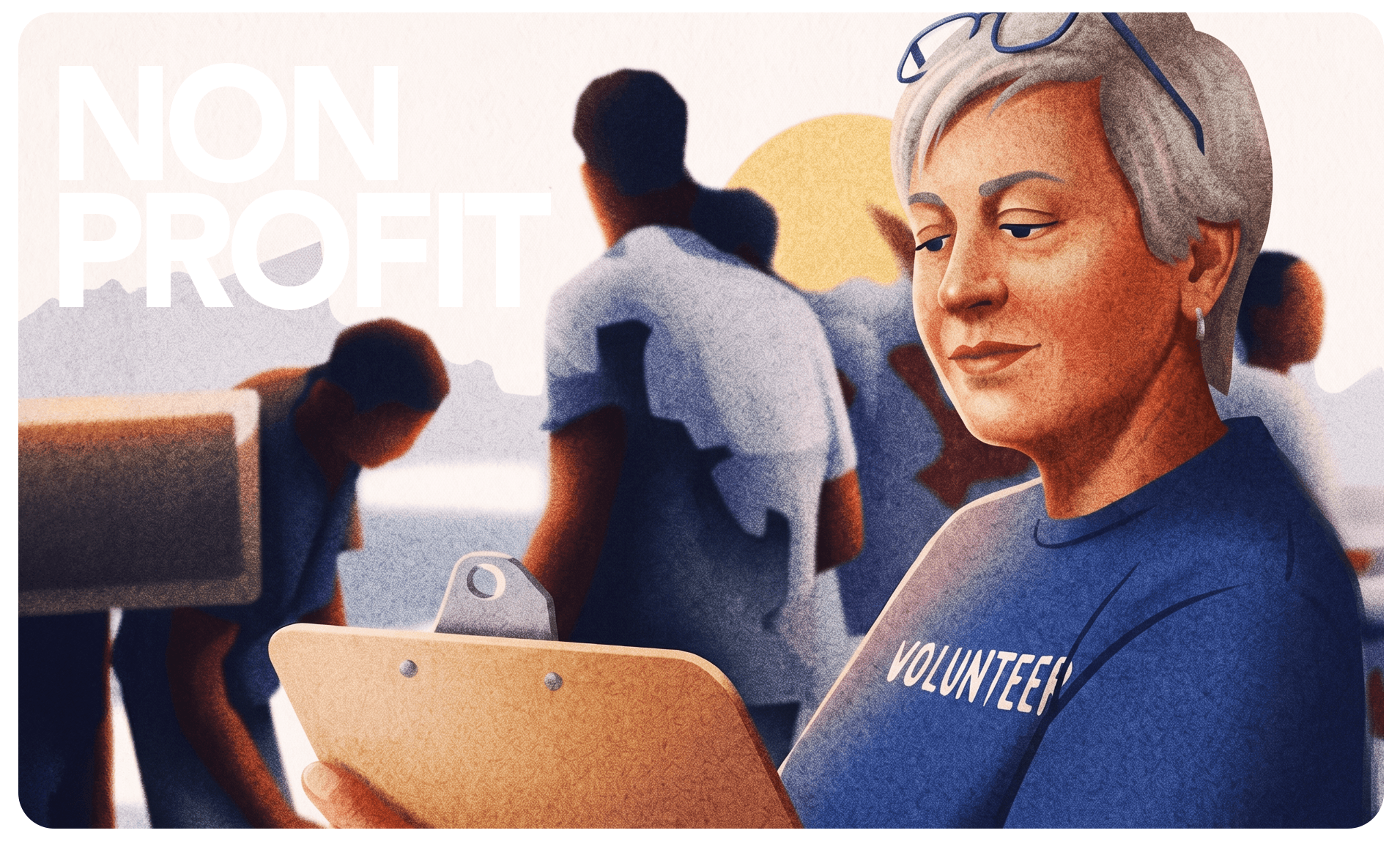
Fundraising is a relationship business, and relationships run on memory. What did this major donor care about last year? Which board member introduced them? What did they say about their giving intentions at the spring gala? When that intelligence lives only in a development officer's head — or in scattered notes across email and spreadsheets — it doesn't survive staff turnover, and it doesn't scale. As we've argued in grant writing as a sales discipline, nonprofit development has more in common with sophisticated B2B sales than the sector usually admits — including the same data problems.
Nonprofits face a structural bind that for-profit sales teams don't. Understanding it is the first step to escaping it.
Donors and watchdog ratings reward low overhead ratios, so nonprofits minimize spending on infrastructure — including the CRM and the processes that would make development efficient. The irony is sharp: the aversion to funding administration produces development teams that spend more time on administration, not less, because they lack the tools to do it efficiently.
A major-gifts officer's job is building relationships with donors. But without efficient capture, every donor meeting generates an hour of after-the-fact logging — or generates nothing, because it never gets logged. Either way, the organization loses. This is the nonprofit version of the cost of manual CRM data entry: expensive relationship-builders spending their scarcest hours on clerical work.
Nonprofit staff turnover is notoriously high. When a development officer leaves and their donor knowledge lives in their head rather than the system, those relationships reset to zero. The new officer starts cold with donors who expected to be known. Years of relationship equity vanish with two weeks' notice.
The costs of thin capture in nonprofit development are as real as in any sales organization — they're just measured in mission instead of margin.
The path out of the capacity trap isn't spending dramatically more on administration. It's removing the friction that makes administration consume so much development time in the first place.
The single highest-leverage change is making it effortless for development officers to capture what happened after a donor meeting. Voice-to-CRM lets an officer speak the substance of a conversation in thirty seconds — the donor's concerns, their giving signals, the personal details that make the next interaction warmer — and have it structured into the donor record automatically. The relationship intelligence gets captured while it's fresh, without stealing an hour from the next cultivation call.
When donor intelligence lives in the system rather than in staff memory, turnover stops resetting relationships. A departing officer's knowledge stays with the organization, and their successor inherits context instead of a cold list.
Reframing the CRM from "overhead" to "the system that protects donor relationships" changes the funding conversation. For nonprofits building on Salesforce, our guide to using Salesforce for your nonprofit covers the platform foundation; the capture layer is what makes it actually get used.
When development officers spend their time on relationships instead of data entry, cultivation improves, donor retention rises, and the major-gift pipeline strengthens. The intelligence that drives effective fundraising — captured completely and retained through staff changes — becomes an organizational asset instead of a personal one. That's how development capacity grows without overhead ballooning. It pairs naturally with disciplined alumni and donor fundraising strategy, giving the team both the playbook and the memory to execute it.
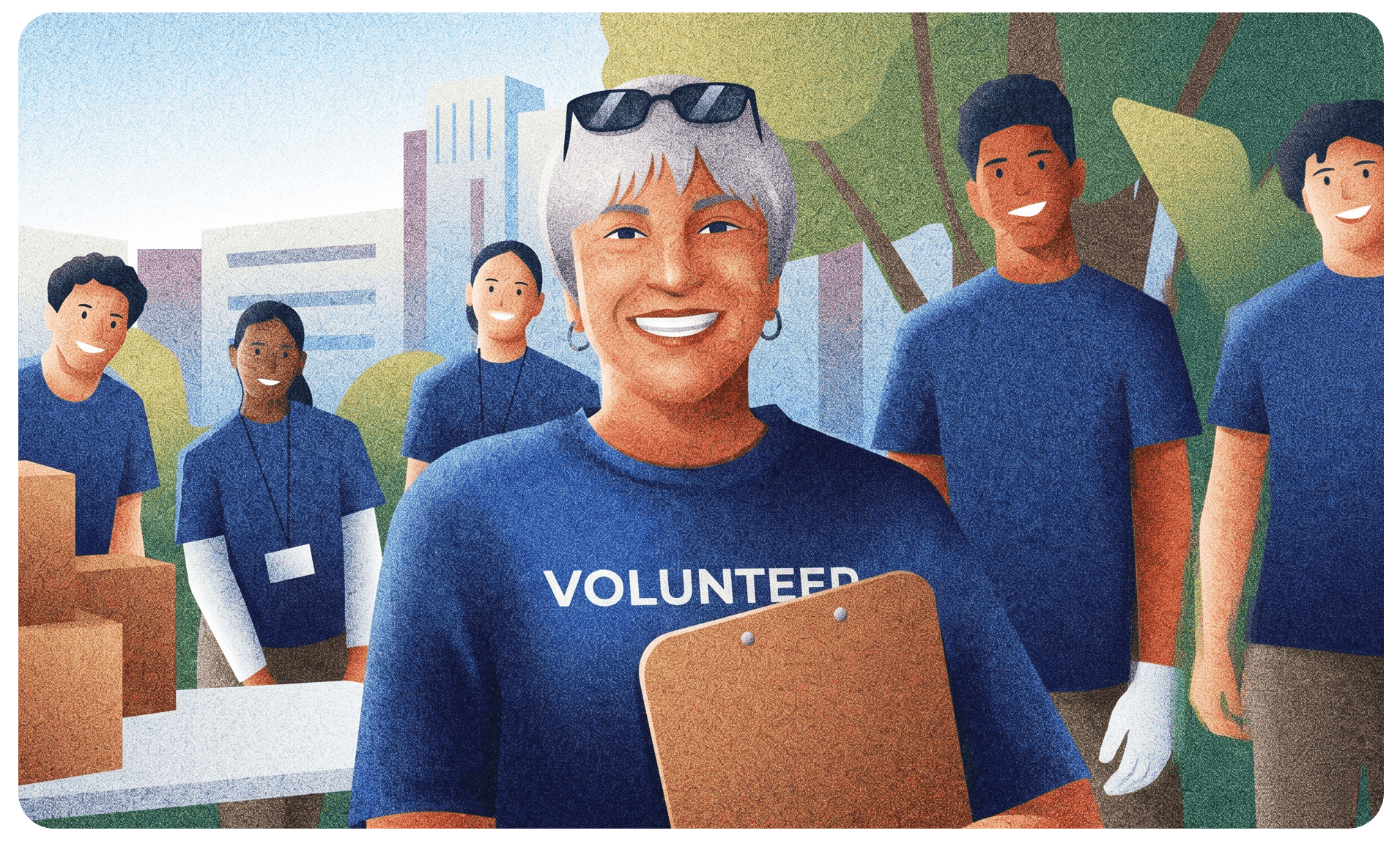
A regional nonprofit built a strong major-gifts program around one gifted development officer. Over five years she cultivated a portfolio of roughly ninety donors, and she knew them intimately: which cared about which program, whose spouse had health concerns, who preferred a spring ask over a year-end one, who had quietly signaled a planned gift.
Almost none of it was in the system. When she left for another organization, her successor inherited ninety names and little else. Donors who had felt deeply known suddenly received generic outreach. Cultivation moments that were months in the making evaporated. Over the following year, giving from that portfolio dropped measurably, not because the donors stopped caring, but because the organization had forgotten what it knew about them.
The intelligence that drove those relationships was an organizational asset that had been allowed to live as a personal one. This is the capacity trap in its sharpest form: the very expertise that made the program work walked out the door because the systems to retain it were treated as overhead. Pairing frictionless capture with disciplined donor and alumni fundraising strategy is what turns that fragile, person-dependent knowledge into something the organization owns.
A quick internal audit reveals how exposed your program is:
Capturing what matters to a donor so you can serve them better is the opposite of intrusive; it is what makes the relationship feel personal at scale. The intelligence captured is the same a thoughtful officer would remember anyway, it simply survives beyond one person's memory and tenure.
The reframe is that donor intelligence is not overhead, it is the asset that protects and grows the revenue funding your programs. Making capture frictionless does not require a large administrative budget; it requires removing the friction that currently makes documentation consume development officers' scarcest hours.
The resistance is to burdensome data entry, not to documentation itself. When capturing a donor conversation takes thirty seconds of speaking instead of thirty minutes of typing, adoption rises because the friction that caused the resistance is gone.
It helps to name the stakes plainly. A lapsed major donor is not just a missing gift this year; it is the loss of every future gift that relationship would have produced, plus the referrals and the planned-giving conversations that never happen. Weighed against that, the cost of making capture frictionless is small, and the return compounds every year the relationship is retained. The organizations that reframe donor intelligence as protected infrastructure rather than overhead are the ones whose development programs keep growing even as staff turn over. For the operational mechanics of keeping that data current without overloading a lean team, our work on the cost of manual CRM data entry lays out where the hours actually go and how to reclaim them.
If any of this sounds familiar, the fastest way to understand your own situation is to see how a modern capture layer works in practice. Explore how voice-to-CRM captures every customer conversation — turning what your team says into structured, complete CRM records without the manual data-entry burden.
Related Resources