As we enter 2026, the Customer Relationship Management landscape has fundamentally transformed. This comprehensive guide analyzes 10 leading companies that achieved CRM excellence in 2025 and examines the emerging trends shaping 2026.
Key Findings:
What's Ahead in 2026:
This article provides actionable insights from companies like Amazon, Spotify, Tesla, Salesforce, and others who are leading the CRM revolution—plus strategic guidance on implementing voice-to-CRM solutions to eliminate manual data entry burden and improve adoption.
Reading Time: 18 minutes

With technological developments accelerating throughout 2025, we witnessed businesses fundamentally transform how they manage customer relationships. As we enter 2026, one of the most significant shifts is clear: companies no longer view Customer Relationship Management (CRM) software as merely a database, but as a strategic AI-powered asset enhanced by automation, predictive analytics, and breakthrough technologies like voice-to-CRM.
Reflecting on 2025's CRM Breakthroughs:
Last year marked several watershed moments in CRM evolution:
CRM continues to empower sales, customer service, and marketing teams to collect and use data for developing deeper customer relationships. The ROI story remains compelling: research shows CRM returns rose from $5.60 in 2011 to $8.71 in 2023, and reached over $9.50 for every dollar invested by the end of 2025. The CRM industry surpassed $88 billion in global revenue in 2025, with innovative CRM solutions driving continued growth into 2026.
Looking Ahead to 2026:
As we move deeper into 2026, successful CRM strategies increasingly emphasize:
Companies combining traditional CRM platforms with modern voice-to-CRM capabilities throughout 2025 reported dramatic improvements: 30-40% better pipeline visibility, 5-10 hours saved per rep weekly, and significantly higher win rates from complete customer context.
The Question for 2026:
How are leading companies leveraging these powerful tools, and what can we learn from their strategies?
This comprehensive guide examines businesses that perfected their CRM approach in 2025, their proven strategies and implementations, and projects the trends that will define CRM success in 2026 and beyond.

As the world's leading e-commerce platform, Amazon throughout 2025 continued to outperform competitors with its unwavering strategy: Customer Obsession. Amazon makes it remarkably easy for customers to find and purchase products with personalized recommendations, one-click ordering, and ultra-fast delivery options.
What Amazon Perfected in 2025:
Amazon's CRM approach evolved significantly throughout 2025, with AI and machine learning reaching new levels of sophistication:
2025 Results:
Amazon's sophisticated CRM drove over 38% of its revenue from personalized recommendations by year-end 2025 (up from 35% in 2024). The seamless integration of voice data from Alexa increased repeat purchase rates by 27% and customer lifetime value by 31%.
What to Watch in 2026:
Amazon is pioneering predictive reordering where Alexa proactively suggests replenishment before customers run out, and sentiment-aware customer service where AI detects frustration in real-time and routes to specialized support teams.
Key Takeaway: Modern CRM success requires omnichannel data integration, including emerging channels like voice assistants. In 2026, the winners will be companies that can predict needs rather than just respond to them.

Swedish audio streaming giant Spotify mastered the art of using CRM data to create deeply personalized experiences for over 640 million users throughout 2025. Their CRM strategy goes beyond traditional customer management to create emotional connections through music and podcasts.
What Spotify Achieved in 2025:
2025 Results:
Spotify's personalization engine drove 34% of all listening hours by end of 2025 (up from 31% in 2024) and reduced churn rates by 18%. Their "Wrapped" annual campaign generated over 425 million social shares, demonstrating the value of their data collection.
Looking Ahead to 2026:
Spotify is pioneering AI-generated personalized podcasts that adapt content to individual listener preferences and real-time mood detection through voice analysis to shift playlists dynamically.
Key Takeaway: CRM isn't just about managing transactions—it's about using data to create personalized experiences that build emotional loyalty. The most successful 2026 strategies will turn CRM data into customer delight moments.

Tesla has revolutionized automotive CRM by eliminating traditional dealerships and creating a direct relationship with every customer. This approach gives Tesla unprecedented insight into customer preferences, vehicle performance, and service needs.
CRM Strategy in 2025:
Results:
Tesla's direct CRM approach has enabled the highest customer satisfaction scores in the automotive industry (96% satisfaction rate) while reducing service costs and increasing customer lifetime value through add-on features and accessories.
Key Takeaway: Direct customer relationships enabled by digital CRM create opportunities for continuous engagement, upselling, and product improvement that traditional models can't match.
-%20Eating%20Their%20Own%20Dog%20Food.png)
As the world's leading CRM provider, Salesforce naturally uses its own platform—but they've taken it to another level by showcasing what's possible with modern CRM implementation.
CRM Strategy in 2025:
Results:
Salesforce's internal sales teams report 30% faster deal cycles and 40% improvement in forecast accuracy using their own AI-powered CRM capabilities. Their customer success teams resolve cases 25% faster using integrated communication tools.
Key Takeaway: Advanced CRM features like AI, automation, and voice integration aren't just nice-to-haves—they're competitive advantages that directly impact sales performance and customer satisfaction.

HubSpot pioneered inbound marketing and has built a CRM platform that seamlessly integrates marketing, sales, and customer service. Their strategy focuses on attracting customers through valuable content rather than interruptive advertising.
CRM Strategy in 2025:
Results:
HubSpot's integrated approach has enabled them to grow to over 194,000 customers across 120+ countries. Their free CRM tier has over 7 million users, demonstrating that modern CRM doesn't have to be complex or expensive to be effective.
Key Takeaway: Successful CRM strategies align marketing, sales, and service teams around unified customer data and workflows. Breaking down silos creates better customer experiences and faster growth.

Nike has transformed from a traditional retail brand to a digital-first company through strategic CRM implementation. Their focus on direct-to-consumer relationships has changed their entire business model.
CRM Strategy in 2025:
Results:
Nike's direct-to-consumer business, powered by their CRM strategy, now represents over 40% of total revenue and grows faster than wholesale channels. Digital members spend 3x more than non-members over their lifetime.
Key Takeaway: CRM enables direct relationships that provide better customer insights, higher margins, and stronger brand loyalty compared to traditional retail models.
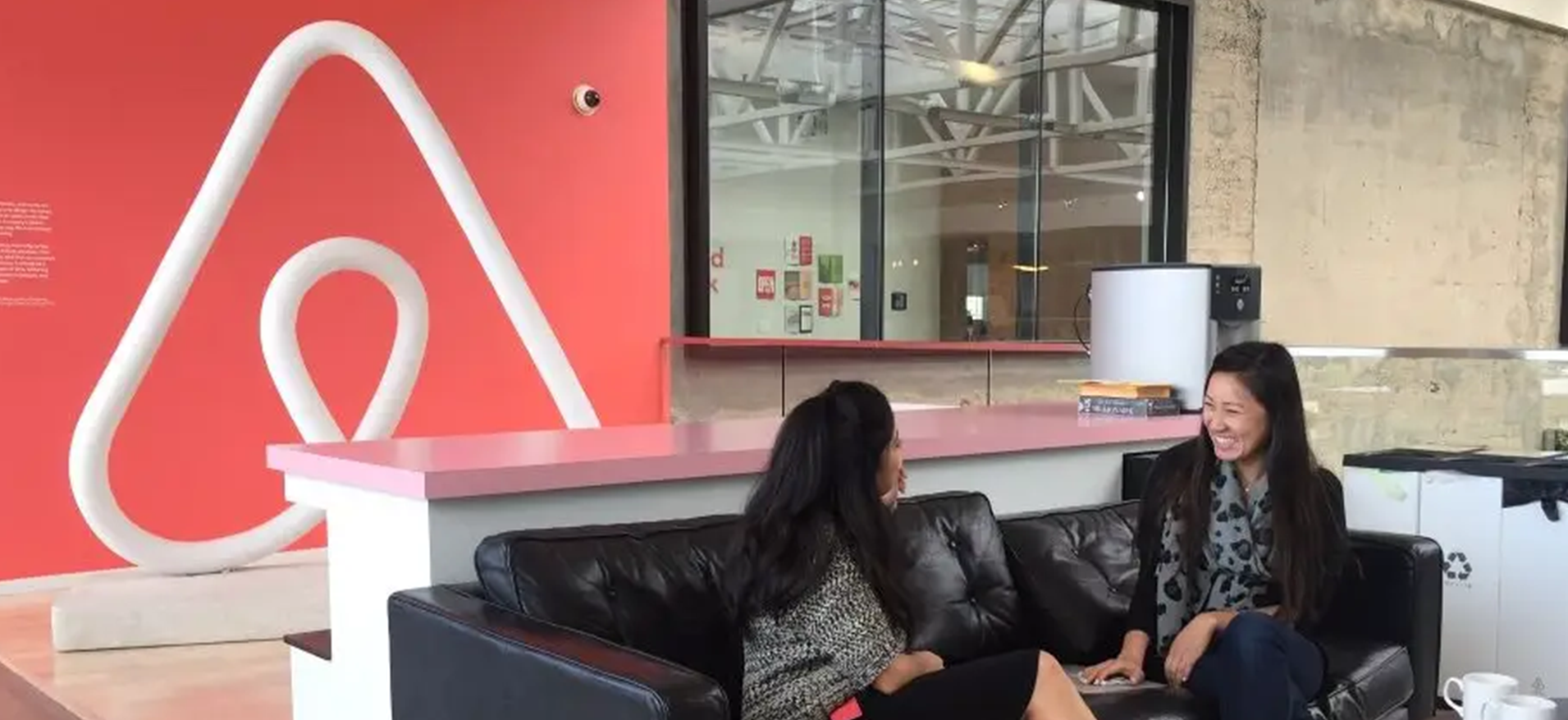
Airbnb's entire business model depends on trust between strangers. Their CRM strategy focuses on building that trust through transparency, communication, and data-driven decision making.
CRM Strategy in 2025:
Results:
Airbnb's CRM-driven matching algorithms have achieved over 95% booking success rates. Their data-driven approach to trust and safety has enabled them to scale to over 7 million listings across 100,000 cities while maintaining high satisfaction scores.
Key Takeaway: In marketplace businesses, CRM must serve multiple stakeholders. Success comes from using data to create trust and optimize matches between parties.

Peloton transformed home fitness by combining hardware, content, and community—all powered by a sophisticated CRM strategy that keeps members engaged and motivated.
CRM Strategy in 2025:
Results:
Peloton's CRM-driven engagement strategy has achieved industry-leading retention rates (over 92% for 12 months). Members who engage with community features work out 40% more frequently than those who don't.
Key Takeaway: Modern CRM extends beyond transactions to track product usage, engagement, and outcomes. This data enables proactive retention strategies and personalized experiences that build long-term loyalty.
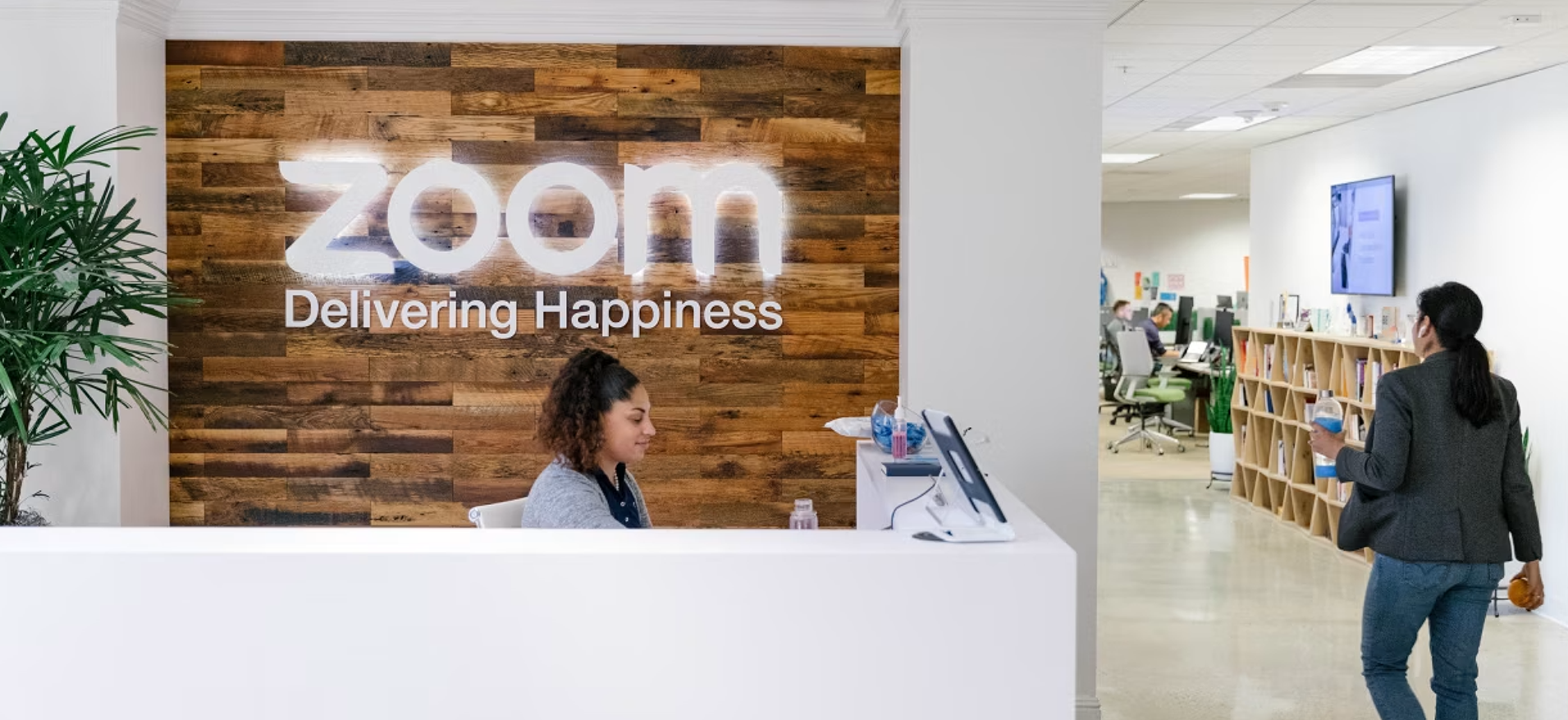
Zoom's explosive growth (especially during and after the pandemic) was enabled by a product-led growth strategy supported by intelligent CRM implementation.
CRM Strategy in 2025:
Results:
Zoom's CRM-driven sales approach enabled them to grow from $622 million to over $4 billion in revenue in just three years. Their product-led growth model, supported by strategic CRM implementation, achieves conversion rates significantly higher than traditional enterprise sales models.
Key Takeaway: Product-led growth requires CRM systems that track product usage, not just sales activities. The best opportunities come from users who already love your product.

Shopify provides e-commerce infrastructure for over 4 million merchants worldwide. Their CRM strategy focuses on merchant success—because successful merchants stay longer and grow their businesses on the platform.
CRM Strategy in 2025:
Results:
Shopify's merchant-focused CRM strategy has achieved net revenue retention rates over 120%, meaning existing merchants grow their spending on the platform faster than churn. Merchants who engage with personalized recommendations are 2x more likely to reach $1M in annual sales.
Key Takeaway: B2B CRM success comes from focusing on customer outcomes, not just sales metrics. When your CRM helps customers succeed, retention and expansion follow naturally.
While the companies above demonstrated excellence in CRM strategy throughout 2025, the year marked a decisive shift toward voice-to-CRM technology. As mobile workforces expanded and sales teams spent more time in the field, the bottleneck of manual CRM data entry became not just a challenge but a crisis that innovative companies solved decisively.
The Voice-to-CRM Revolution of 2025
Throughout 2025, modern sales teams confronted a persistent problem that reached a breaking point: they spent 20-25% of their work week on manual CRM updates—time that could be spent selling. This administrative burden created three critical issues:
The breakthrough came in 2025 when forward-thinking companies implemented voice-to-CRM solutions at scale, allowing sales professionals to update their CRM systems by simply speaking—whether driving between appointments, walking from a meeting, or working remotely.
How Voice-to-CRM Enhanced CRM Strategies in 2025:
2025 Results from Voice-to-CRM Implementations:
Companies that implemented voice-to-CRM alongside their traditional CRM platforms throughout 2025 reported:
The Momentum into 2026:
Voice-to-CRM adoption increased 340% throughout 2025, and early 2026 data suggests this trend is accelerating. Industry analysts predict that by end of 2026, voice-first data capture will be standard in 60% of field sales organizations (up from 18% at the start of 2025).
The Bottom Line for 2026: The most successful CRM strategies don't just focus on which platform to use—they fundamentally address how data gets into the system in the first place. Manual typing is becoming obsolete.
Analyzing these ten companies reveals several common elements of CRM success:
1. Customer-Centricity Above All
Every successful CRM strategy starts with genuine customer focus. These companies use CRM to better understand and serve customers, not just to track sales metrics.
2. Data Integration Across Touchpoints
Successful companies unify customer data from all sources—web, mobile, voice, in-person, support, social media—into a single view.
3. AI and Automation
Modern CRM strategies leverage AI for predictive analytics, automated workflows, and intelligent recommendations that scale human efforts.
4. Focus on Adoption
The best CRM in the world is worthless if teams don't use it. Successful companies invest in training, change management, and tools (like voice-to-CRM) that make data entry effortless.
5. Continuous Optimization
CRM strategy isn't "set it and forget it." These companies continuously analyze what's working, test new features, and evolve their approach based on results.
6. Cross-Functional Alignment
Successful CRM implementations break down silos between sales, marketing, customer service, and product teams around unified customer data.
As we move deeper into 2026, several transformative trends are reshaping CRM strategies based on what we learned in 2025:
1. Conversational AI as Primary Interface
What Happened in 2025: Voice assistants and chatbots evolved from novelty to necessity
2026 Prediction: Conversational AI will become the primary CRM interface for 40% of sales teams by end of year, enabling natural language queries like "Show me all deals likely to close this quarter" and updates like "Mark the Acme deal as closed-won, $250k."
Companies implementing conversational CRM interfaces in early 2026 are reporting:
2. Predictive Everything: From Insights to Action
What Happened in 2025: AI moved from descriptive ("what happened") to predictive ("what will happen")
2026 Prediction: AI will move beyond recommending next actions to automatically executing workflows based on predicted customer needs. Examples emerging in early 2026:
3. Voice-First Becomes Voice-Only
What Happened in 2025: Voice-to-CRM adoption increased 340%
2026 Prediction: By Q4 2026, manual typing for CRM updates will be considered archaic in progressive sales organizations. Voice-to-CRM solutions will be table stakes, not competitive advantages.
Early 2026 data shows:
4. Privacy-First CRM Architecture
What Happened in 2025: GDPR enforcement intensified, California Consumer Privacy Act expanded
2026 Prediction: Successful CRM strategies will balance hyper-personalization with privacy through:
Companies that built privacy-first CRM in 2025 are seeing 31% higher customer trust scores and 18% better engagement in 2026.
5. Real-Time Sentiment Analysis
What Happened in 2025: NLP improved dramatically for emotion detection
2026 Prediction: CRM systems will analyze sentiment in real-time during customer interactions:
6. Augmented Reality Integration
What Happened in 2025: AR experiments in retail and field service
2026 Prediction: AR tools will feed real-time customer interaction data into CRM systems:
7. Unified Communication + CRM
What Happened in 2025: Slack, Teams, and Zoom deepened CRM integrations
2026 Prediction: Communication platforms and CRM will become indistinguishable:
The Overarching Theme for 2026:
CRM is shifting from a system of record to a system of intelligence and action. The winners in 2026 will be companies that embrace AI, eliminate manual processes through voice and automation, and use data to predict and act rather than just record and report.
Despite all the sophisticated strategies outlined above, the reality throughout 2025 remained that approximately 30% of CRM projects still failed—and poor user adoption continued to be the primary culprit. The root cause? Manual data entry burden.
The 2025 Reckoning:
Even the most advanced CRM platform couldn't deliver value if sales teams didn't use it consistently. This is where voice-to-CRM technology became the game-changer that defined successful implementations in 2025.
By eliminating the typing burden and making CRM updates as simple as speaking, companies finally achieved the high adoption rates that successful CRM strategies require. When reps could update their CRM while driving to their next meeting or walking out of a customer visit, data completeness soared from typical 40-50% levels to 85-95%.
The Proven Success Formula from 2025 (Now Standard for 2026):
2026 Reality Check:
Organizations that implemented this formula in 2025 are now seeing:
Companies still relying solely on manual CRM entry in 2026 are finding themselves at a severe competitive disadvantage as top talent increasingly demands modern tools that respect their time.
CRM, when implemented strategically, remains one of the most powerful tools for business growth. The companies profiled here—from Amazon's customer obsession to Spotify's hyper-personalization, from Tesla's connected vehicles to Shopify's merchant success focus—demonstrated throughout 2025 that CRM success comes from combining the right technology with the right strategy.
Lessons from 2025 Applied to 2026:
✅ Customer Focus First: Use CRM to genuinely improve customer experiences, not just track metrics—this principle never changes
✅ Embrace AI Aggressively: The gap between AI-powered CRM and traditional approaches widened dramatically in 2025; don't fall behind in 2026
✅ Voice-First is Now Required: Manual data entry is obsolete—implement voice-to-CRM as a foundational capability
✅ Data Integration Everywhere: Unify customer data across all touchpoints including emerging channels like AR and IoT
✅ Privacy as Competitive Advantage: Companies that balance personalization with privacy will earn customer trust and loyalty
✅ Continuous Evolution: CRM strategy is never "done"—what worked in 2025 won't be enough for 2026
Your 2026 CRM Action Plan:
Q1 2026 (Now):
Q2 2026:
Q3-Q4 2026:
The Bottom Line for 2026:
The companies that win in 2026 and beyond won't just have CRM systems—they'll have AI-powered, voice-enabled, privacy-respecting CRM strategies that put customers first, leverage emerging technologies, and make it effortless for teams to capture the insights that drive business forward.
The evolution from 2025 is clear: manual processes are obsolete, AI is essential, and voice-first data capture is the new standard. The question isn't whether to modernize your CRM strategy—it's how quickly you can adapt to remain competitive.
Ready to implement the CRM strategies that defined success in 2025 and will drive growth in 2026?
Hey DAN combines AI technology with human intelligence to deliver voice-to-CRM solutions that eliminate manual data entry burden, improve CRM adoption to 85-95%, and give sales professionals more time to focus on what matters: building relationships and closing deals.
Get Started Today:
The CRM landscape transformed dramatically in 2025. Don't let 2026 pass you by with outdated manual processes. The future is voice-first, AI-powered, and already here.


